Perm's Experience with Design Code Implementation Becomes Part of Educational Online Course
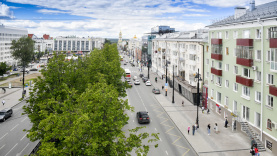 Photo by Vitaliy Koksharov
A design code is a set of clear guidelines that shape a comfortable environment and enhance the city's architectural appearance. In the educational course, experts from Perm described the preparation process and interim results of the project.
Perm's methodology for implementing design code has become part of the online course “Design Code: Visual Environment Regulation Practices,” developed jointly by Архитекторы.рф platform and DOM.RF Digital Academy. The course focuses on practical examples from Russian cities where design codes are already being used in actual urban development projects. Among the authors of the materials are leading architects and town planners from various regions of Russia.
Perm's design code was developed by the Institute of Territorial Planning in 2022. It aims to eliminate visual noise in the urban environment, reflect the """unique""" characteristics of the city and its spirit through elements of landscaping, create a comfortable barrier-free environment, and improve the quality of greenery. Zoning involves dividing space into functional parts with carefully thought-out usage scenarios. Special emphasis is placed on cleaning the environment from visual clutter, getting rid of advertisements and other excess elements that disrupt the integrity and simplicity of the surrounding visual landscape.
The implementation of the design code was synchronized with preparations for celebrating Perm's 300th anniversary. This allowed combining tasks of improving the urban environment with major repair works.
The most important rules outlined in the design code were converted into requirements later approved in Perm's Rules of Landscaping. These include:
- organization of pedestrian zones and accessible movement for disabled individuals and other mobility-impaired groups across the city;
- appearance of building facades, placement of information signs, including street names and house numbers, billboards;
- greening arrangements, landscaping river valleys, specially protected nature reserves of local significance, urban forests;
- placement and maintenance of children's playgrounds, sports fields, animal walking areas;
- installation of architectural lighting on facades;
- location and maintenance of non-stationary trade objects .